
Get a closer look at every layout included in the Montegrappa Template. Each homepage variation is designed for clarity, flexibility, and performance—so you can choose the one that best fits your needs.



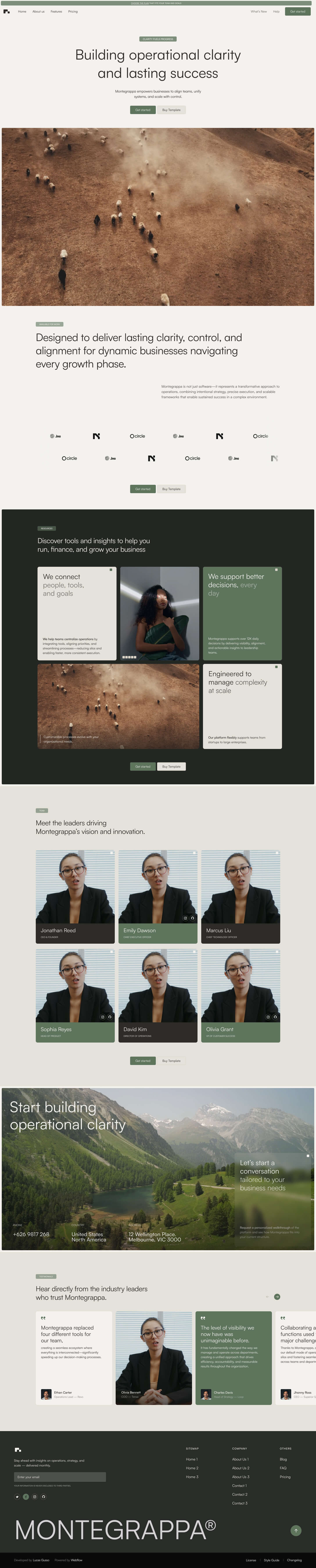
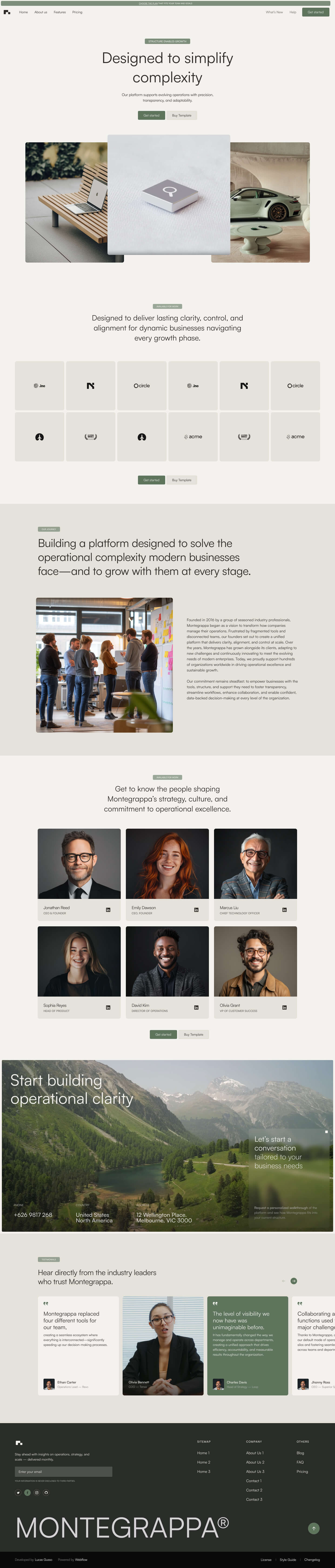



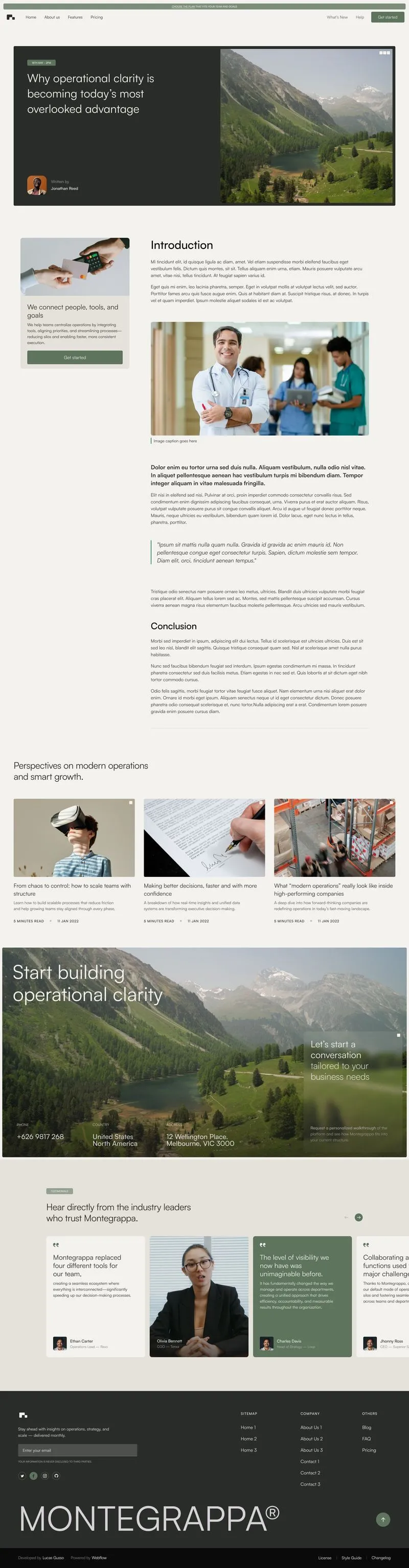

Send us an email to lucas.gusso@gmail.com with your purchase receipt, and we will send you the editable Figma file for the Montegrappa Template.

Top 5 mistakes most airlines do

.png)

We expected performance improvements, but the strategic implementation delivered unprecedented operational excellence of delivering products.
Air cargo is no longer a secondary function within airlines. It has become a critical driver of revenue, network efficiency, and customer satisfaction. However, many airlines continue to operate cargo using outdated practices that undermine reliability and on-time performance. These mistakes often remain hidden in daily operations but have long-term strategic consequences.
Below are the five most common mistakes airlines still make in cargo operations—and why addressing them is essential.
1. Overreliance on Manual Processes
Many airlines still depend heavily on spreadsheets, emails, and paper-based workflows to manage cargo bookings, acceptance, and planning. While these tools may seem flexible, they introduce significant operational risk.
Manual processes are prone to data entry errors, lack version control, and make it difficult to maintain consistency across stations. When information is scattered across files and inboxes, teams lose real-time visibility into cargo status and capacity.
As operations scale or face disruptions, manual workflows quickly become a bottleneck, increasing the likelihood of delays and operational mistakes.
2. Fragmented Systems and Data Silos
Cargo operations often rely on multiple disconnected systems for sales, operations, billing, and reporting. These systems rarely share data seamlessly, forcing teams to reconcile information manually.
As a result, commercial and operational teams often work with different data sets. Decisions are made based on incomplete or outdated information, especially during peak periods or irregular operations.
Without a single source of truth, coordination becomes slower and less reliable, directly affecting service quality and operational performance.
3. Reactive Operational Management
Many airlines manage cargo operations reactively rather than proactively. Issues such as overbooked flights, missing documentation, or capacity constraints are often identified too late in the process.
When problems are discovered at the acceptance or build-up stage, teams are forced to make last-minute adjustments under time pressure. This reactive approach increases stress on ground staff and raises the risk of flight delays.
Proactive planning and early issue detection are essential to maintaining consistent and reliable cargo operations.
4. Limited Use of Automation and Intelligent Planning
Despite its direct impact on aircraft turnaround time, cargo planning and build-up are often handled manually or with minimal system support.
This leads to slow planning cycles, frequent last-minute changes, and inconsistent load quality. Poor visibility between planning teams and ground handlers further increases the risk of operational errors.
This is an area where modern cargo platforms, such as Belli, can make a meaningful difference. By digitizing booking, acceptance, and build-up planning within a single system, airlines can automate routine tasks, reduce manual handoffs, and gain real-time visibility across the cargo workflow.
With better automation and planning tools, teams can identify potential issues earlier, adjust plans faster, and execute operations with greater consistency—supporting improved reliability and on-time performance.
5. Treating Cargo as a Non-Strategic Function
Some airlines still view cargo as a back-office operation rather than a strategic business unit. This mindset often results in limited investment in systems, processes, and performance management.
Without clear KPIs, analytics, and accountability, cargo operations struggle to improve efficiency or capture revenue opportunities. In contrast, airlines that treat cargo as a core business function are better positioned to optimize capacity, improve customer service, and strengthen overall network performance.
Conclusion
The challenges facing airline cargo operations are not caused by a lack of effort, but by outdated operating models that no longer meet today’s demands. Manual processes, fragmented systems, and reactive workflows continue to limit reliability and efficiency.
Airlines that address these five common mistakes by adopting integrated, automated, and data-driven approaches will be better equipped to operate consistently, improve on-time performance, and remain competitive in an increasingly complex cargo environment.
Discover tools and insights to help you run, finance, and grow your business
.png)
Most important air cargo terms
Essential Air Cargo Terminology: A Comprehensive Guide for 2026
.png)
Air cargo trends for 2026
The Future of Freight: Navigating Air Cargo Trends in 2026
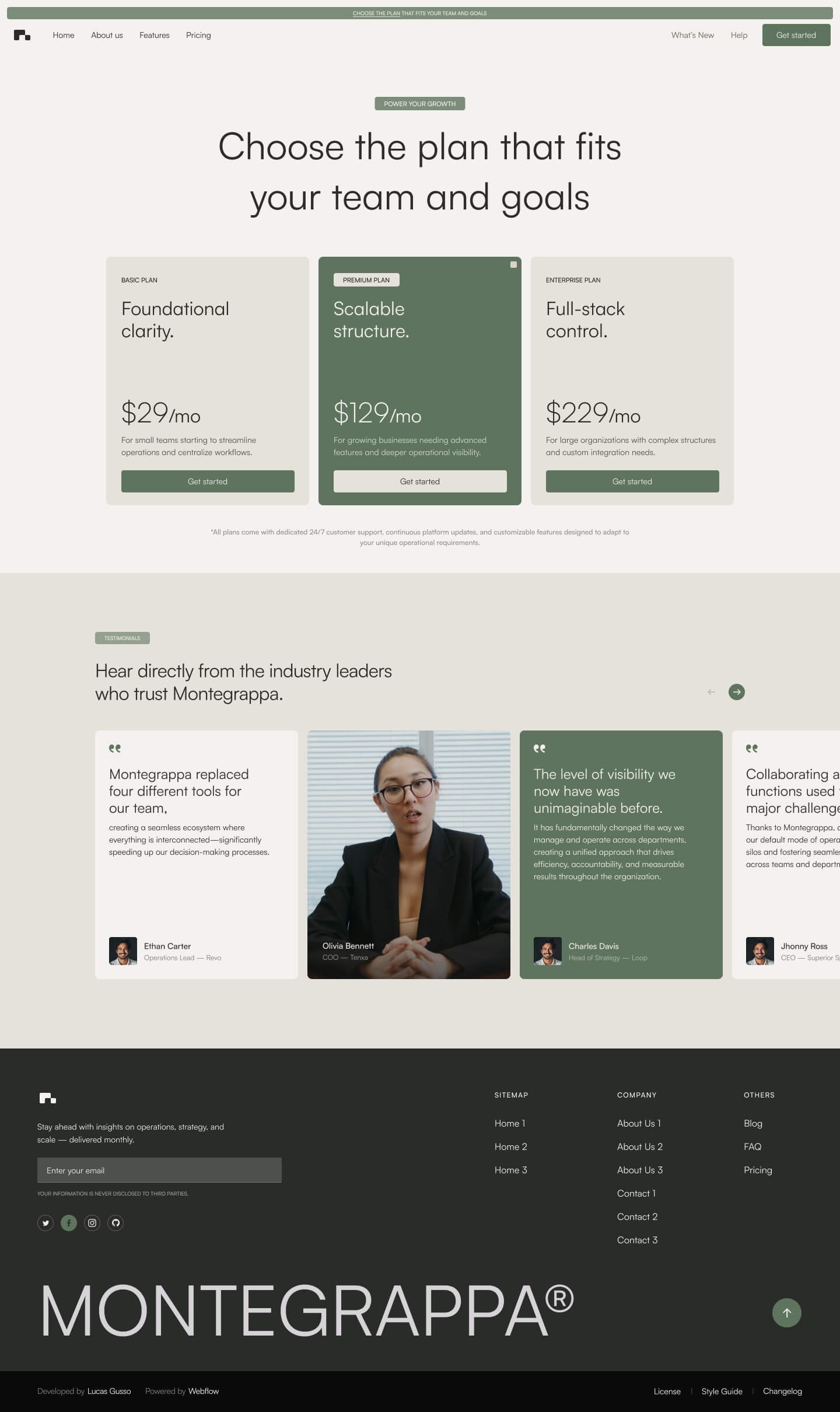
Flexible plans that grow with your airline
Spreadsheet Migration
.png)
Add-On Software Modules
End-to-End Cargo System


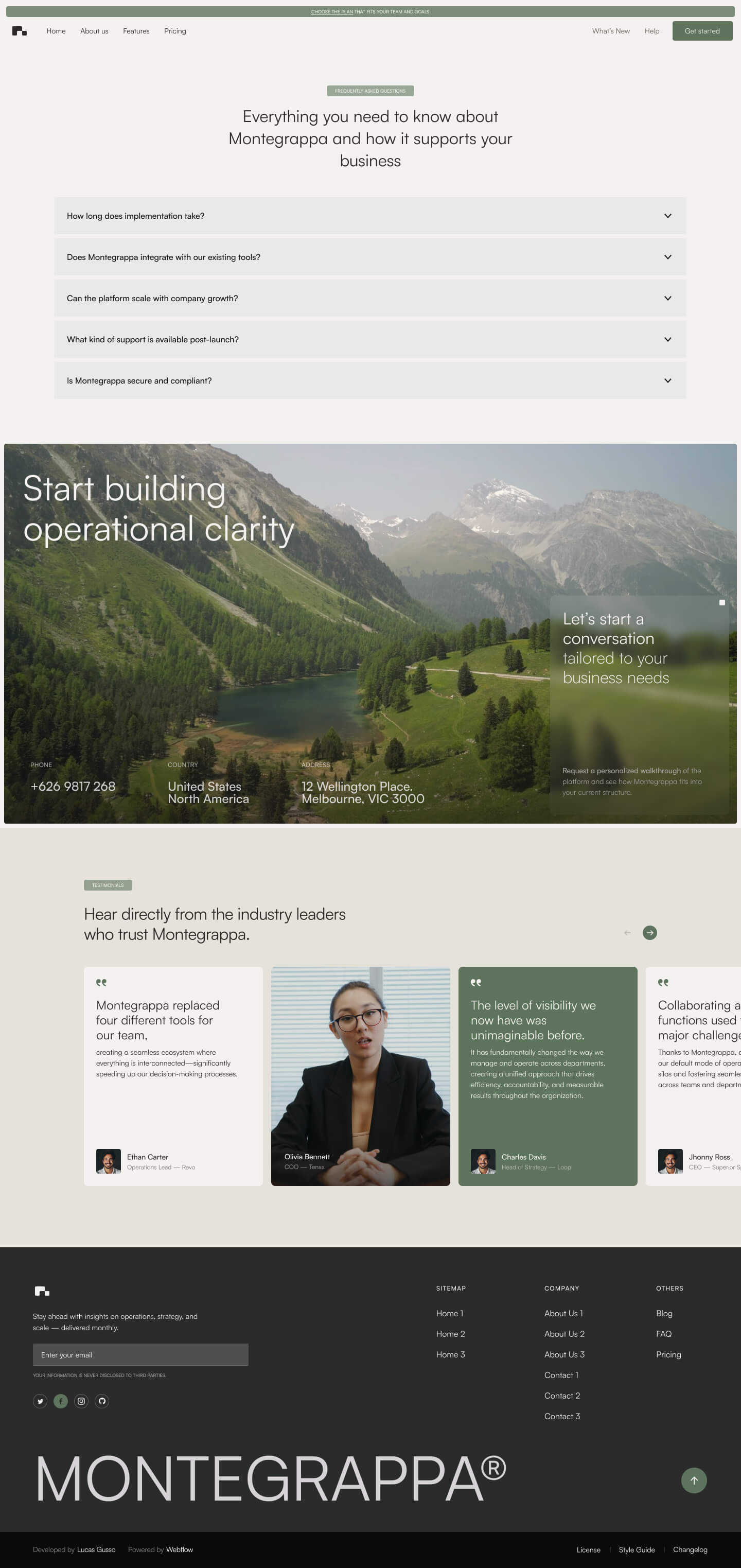
creating a seamless ecosystem where everything is interconnected—significantly speeding up our decision-making processes.



It has fundamentally changed the way we manage and operate across departments, creating a unified approach that drives efficiency, accountability, and measurable results throughout the organization.

Thanks to Montegrappa, alignment has become our default mode of operation, breaking down silos and fostering seamless collaboration across teams and departments at every level.


The onboarding experience and customization options made it easier than any other platform we've used.

Instead of scattered dashboards, now we make decisions based on real-time insights across every business unit.

Now our operations, finance, and strategy teams work in sync with automated flows and shared context.

We tested six other solutions — Montegrappa was the only one that adapted to our processes instead of forcing change.

Montegrappa helps us plan, adapt, and scale faster. It’s become core to how we think and execute.

Everyone from interns to execs knows what matters most, where we’re headed, and how to act on it.
