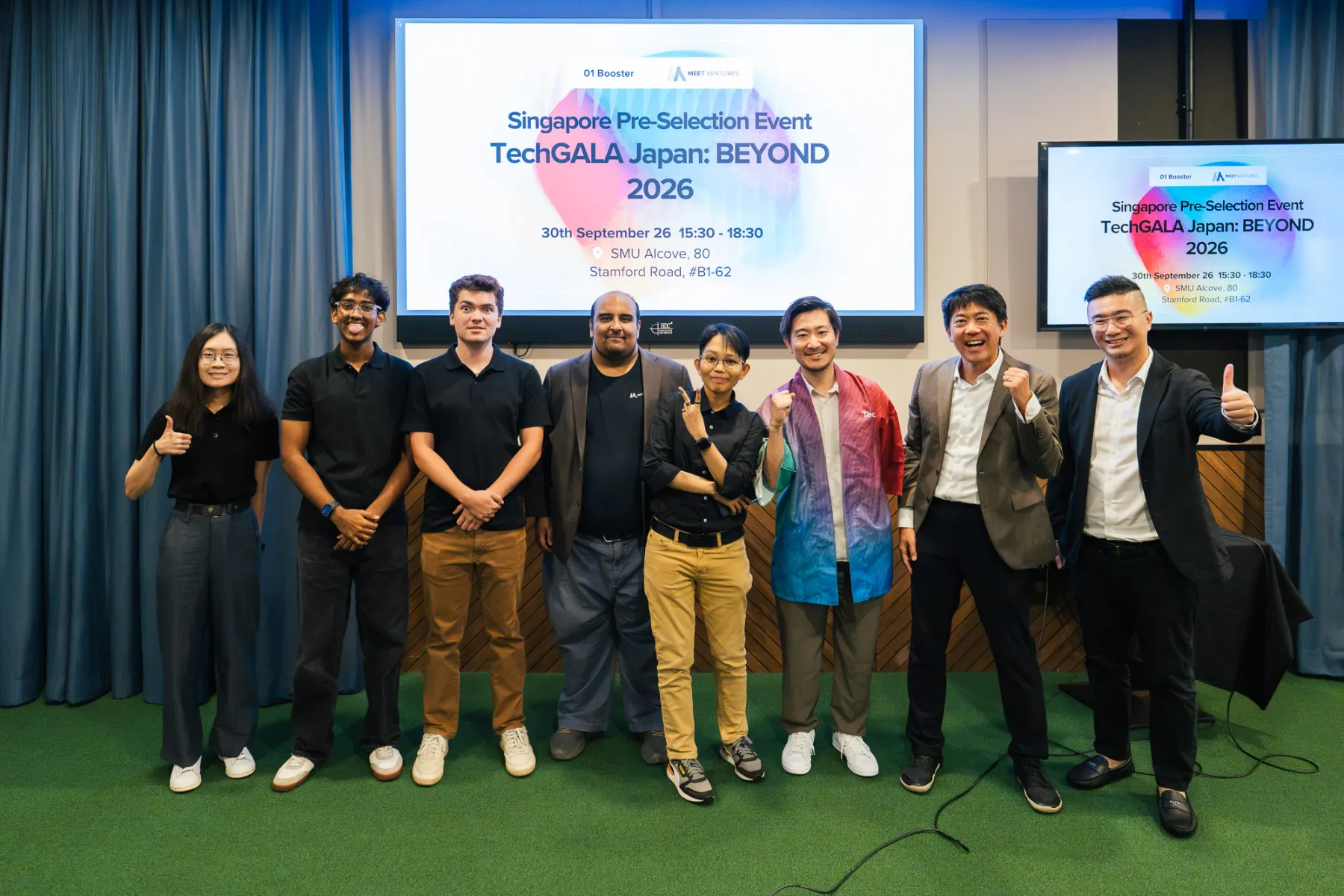
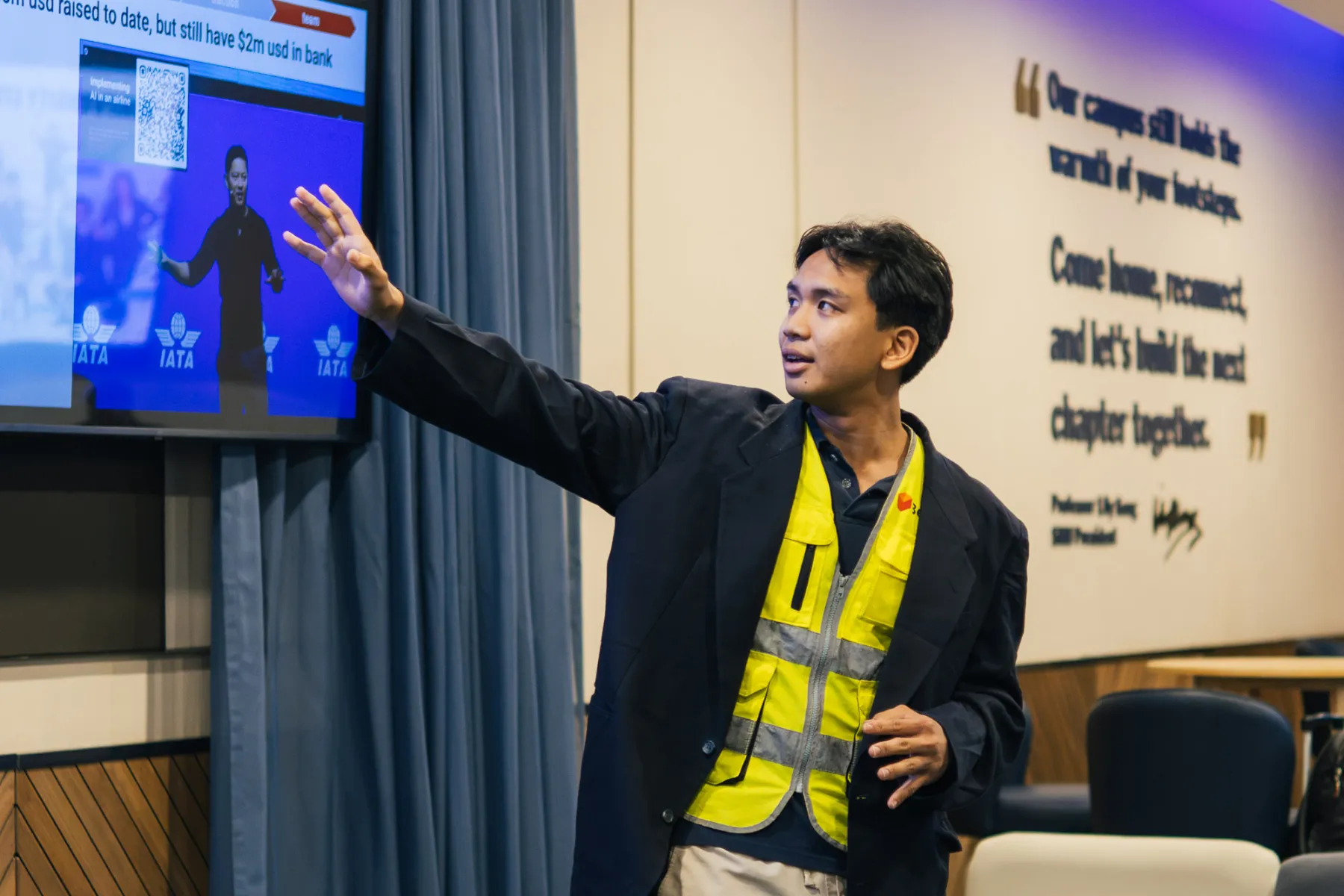
On 30 September David pitched Belli at SMU, in the Singapore pre-selection round for TechGALA Japan: BEYOND 2026. The other startups worked on drone swarms, satellite intelligence and industrial safety. David was the only one talking about air cargo, and about an hour after the last pitch he was named first.
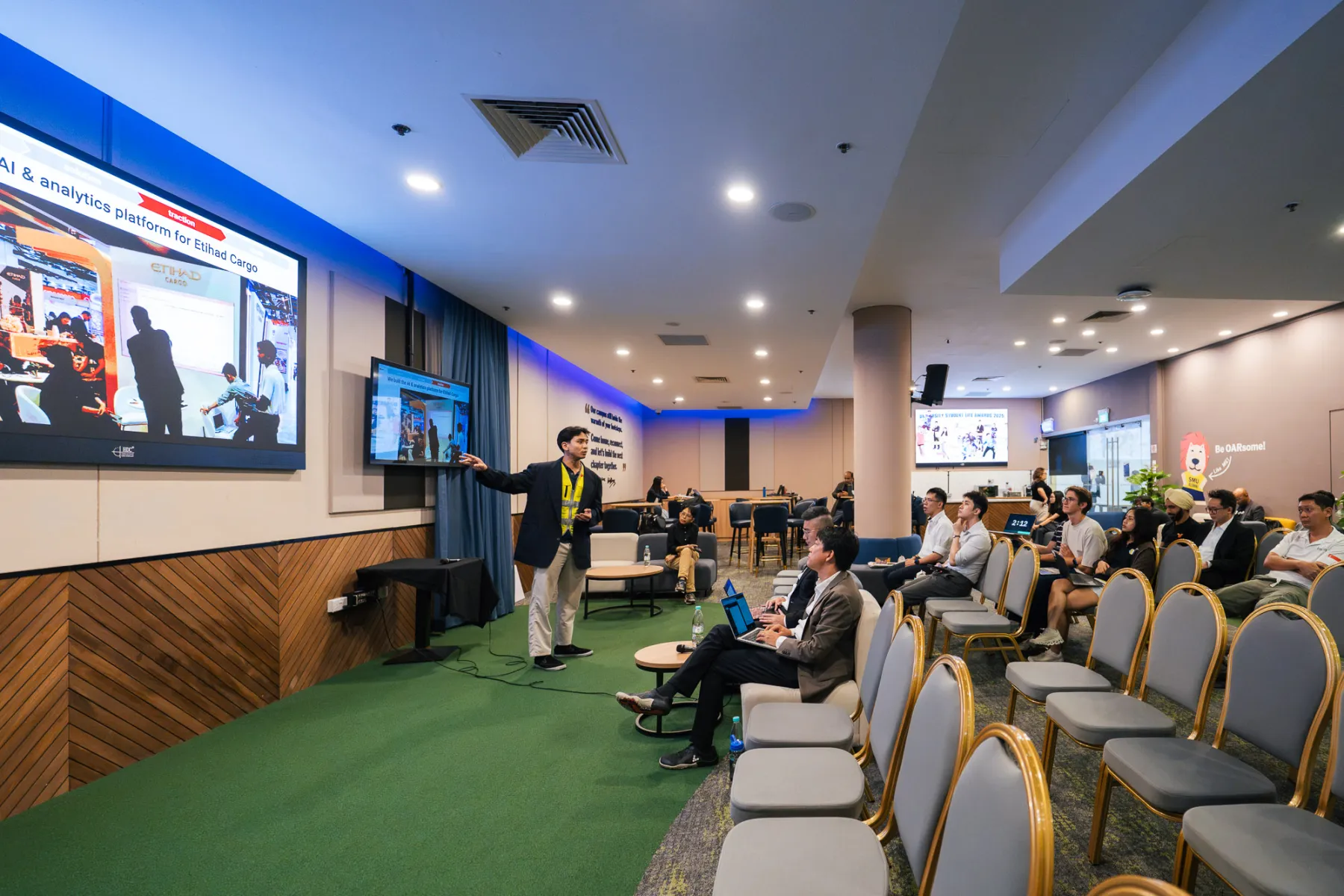
He started with the part of the plane passengers never see. Much of the hold flies empty, even though the aircraft and the pilots are already paid for. Our founders saw what that space is worth at AirAsia, where cargo revenue grew from $50m to $220m in five years.
Handling that cargo is still slow. One shipment goes through more than 50 manual steps, many of them on paper and in spreadsheets. Belli puts all of it in one system, so an executive can see revenue per flight, route and shipment as it happens instead of waiting a month for a report.
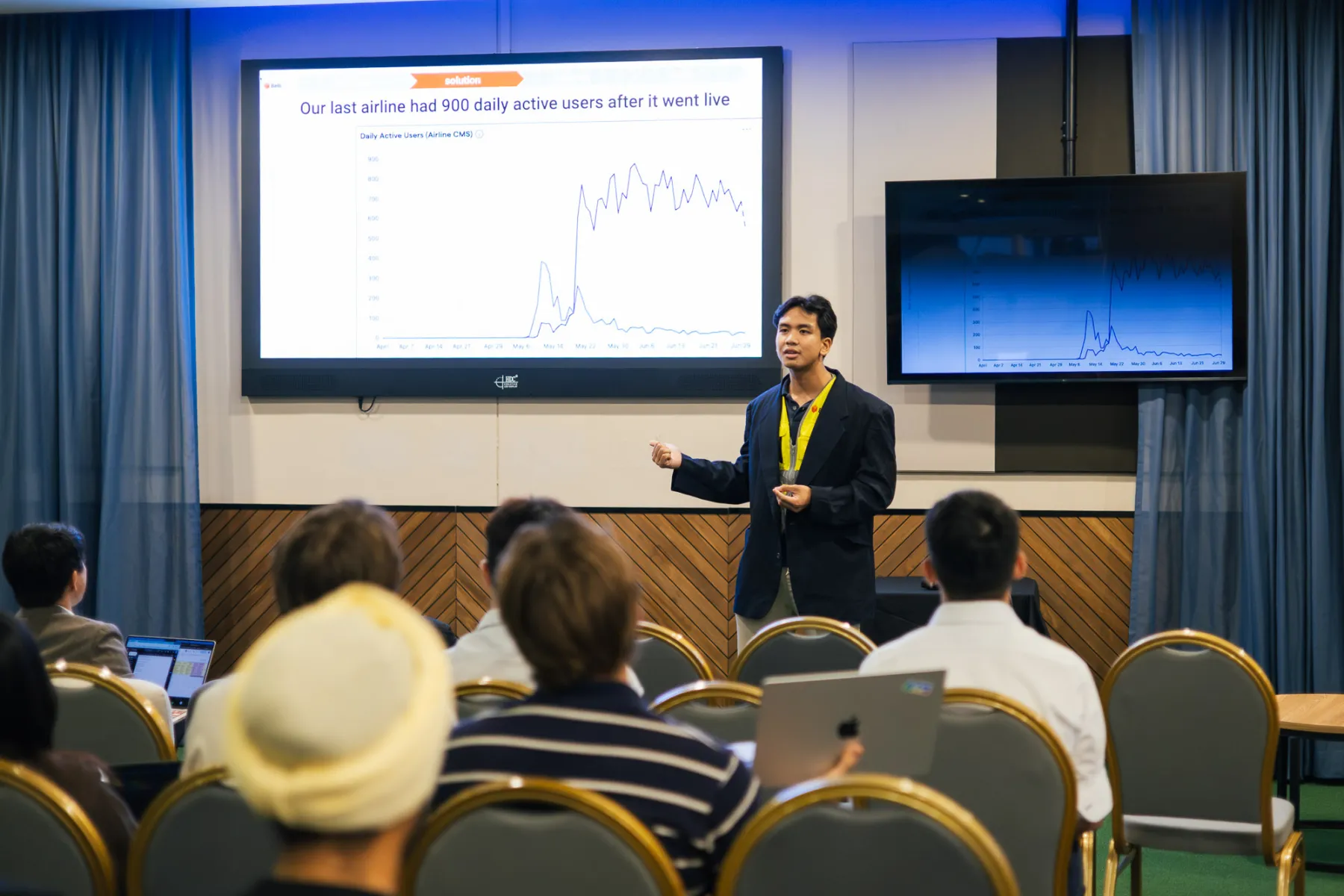
The last airline we put live had more than 900 daily active users, close to everyone in its cargo business. Airlines usually take two to three years to buy software like this. We sign them in about four months.
For part of the pitch David wore the hi-vis vest he works in on airline ramps, where our engineers build the software next to the people who use it.
A judge asked what would stop a cheaper competitor from taking an airline away. David gave two reasons: we build the integrations each airline asks for, which the next vendor would have to redo, and our engineers sit in the airline's cargo office instead of getting requirements passed down by a product manager.
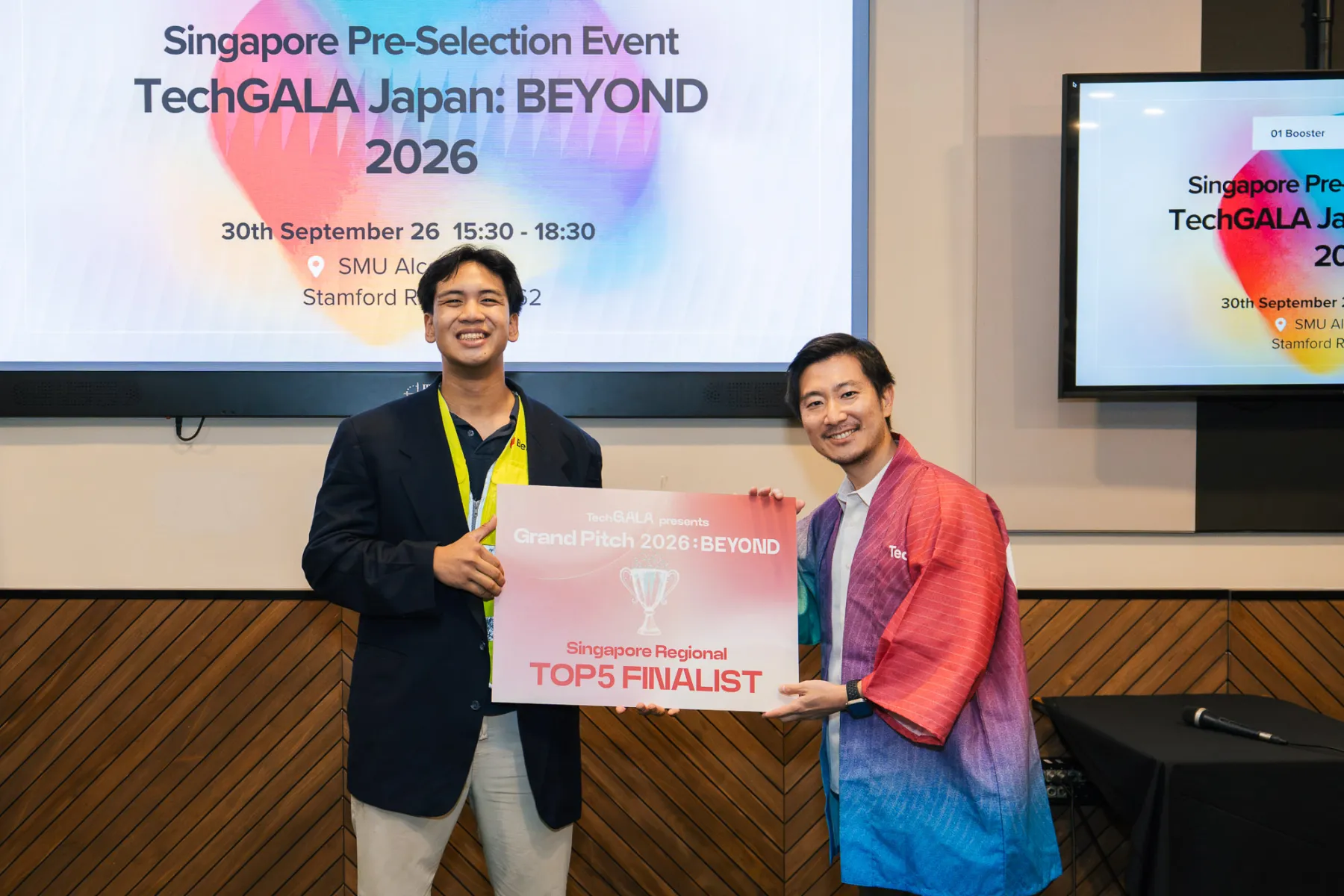
In December he pitches again at the TechGALA Grand Pitch in Nagoya, with ¥1 million as the prize.
Thanks to Hiroki Kudo, who brought a professional photographer to the event and sent every startup the photos afterwards as a personal gift.