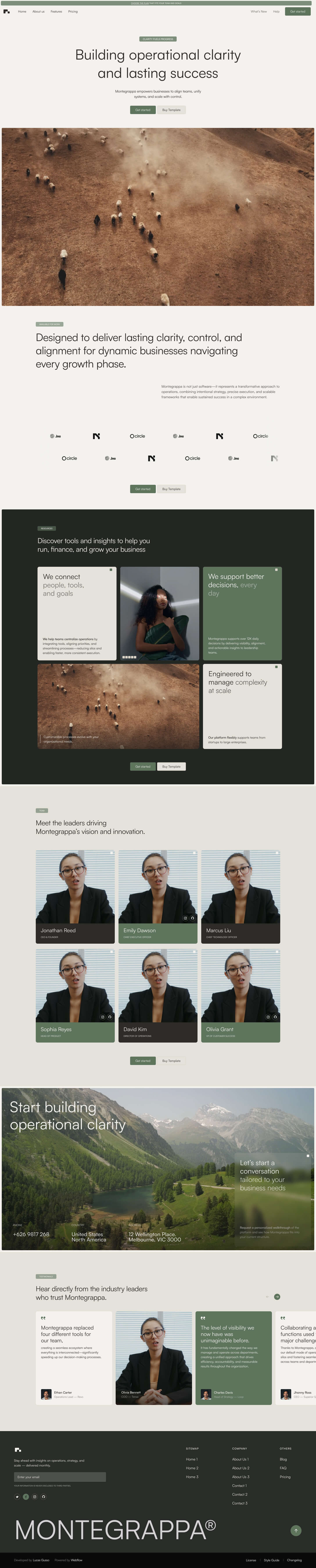
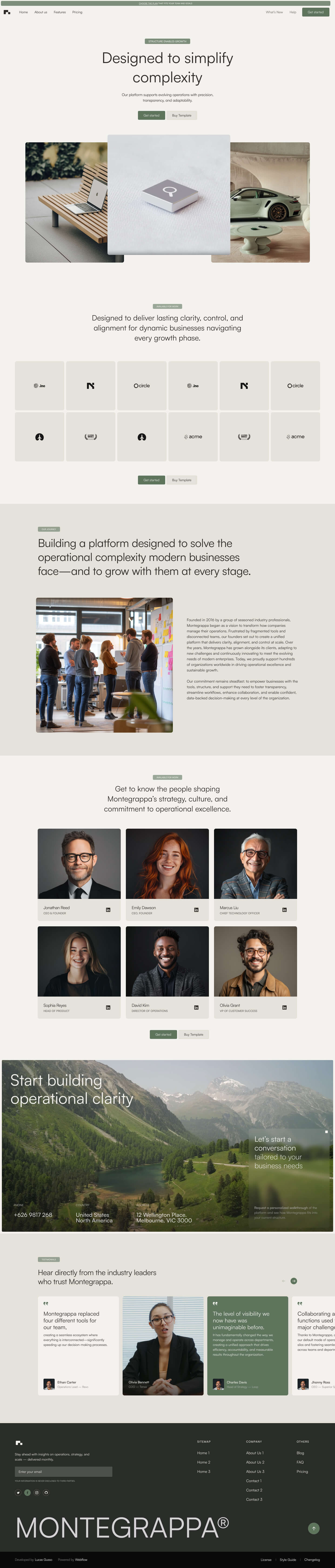
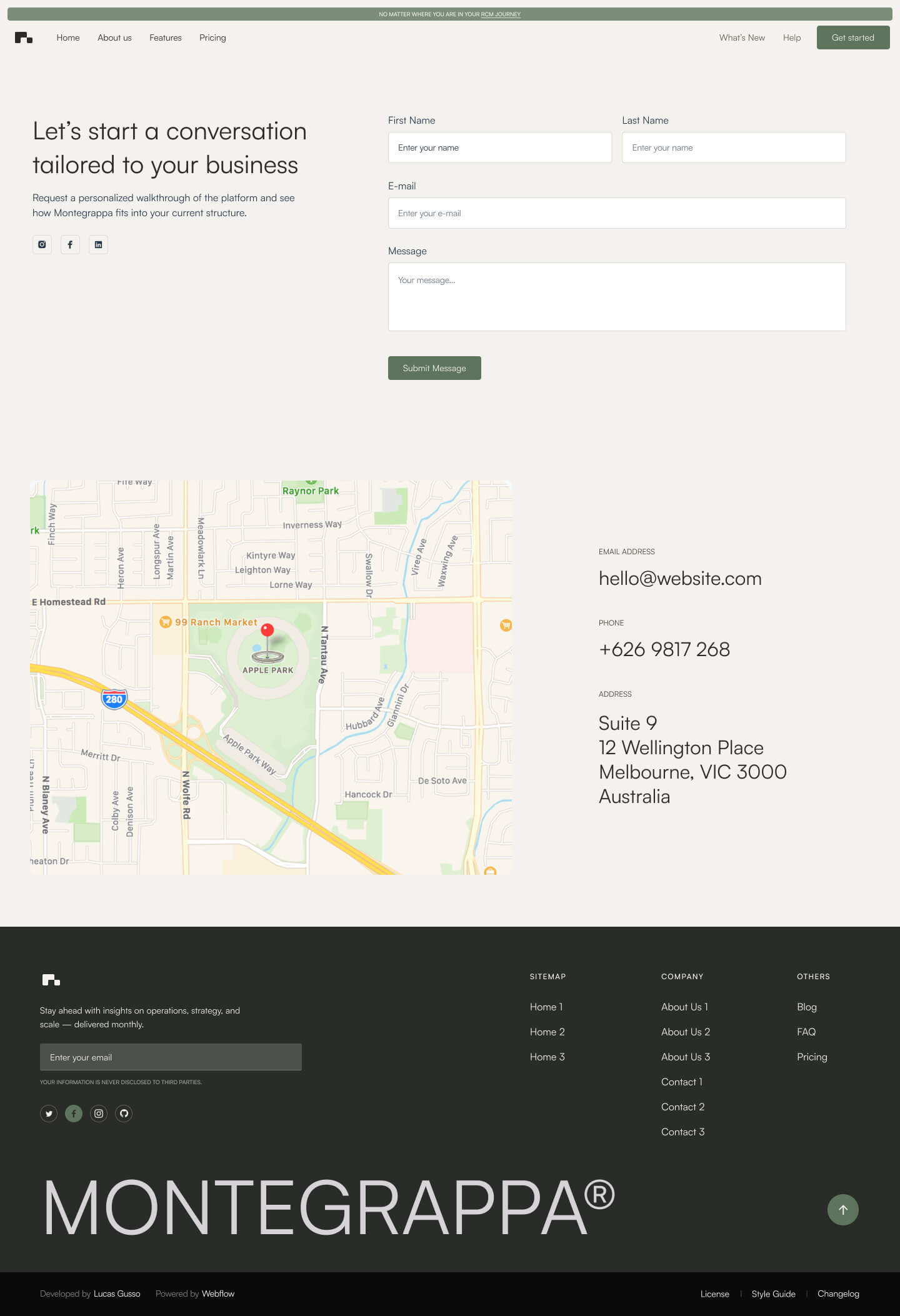
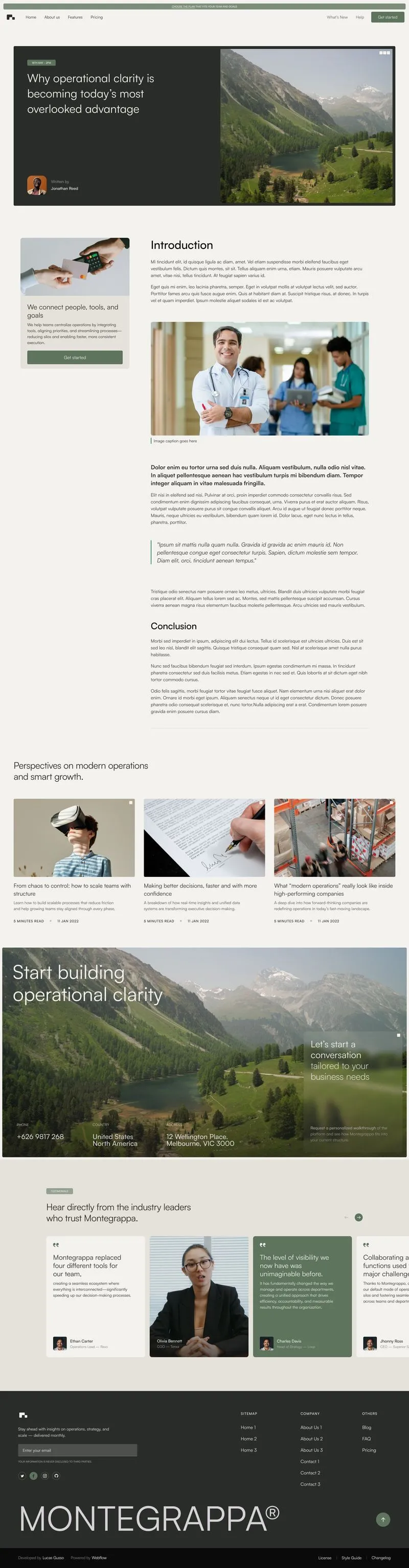
Get a closer look at every layout included in the Montegrappa Template. Each homepage variation is designed for clarity, flexibility, and performance—so you can choose the one that best fits your needs.






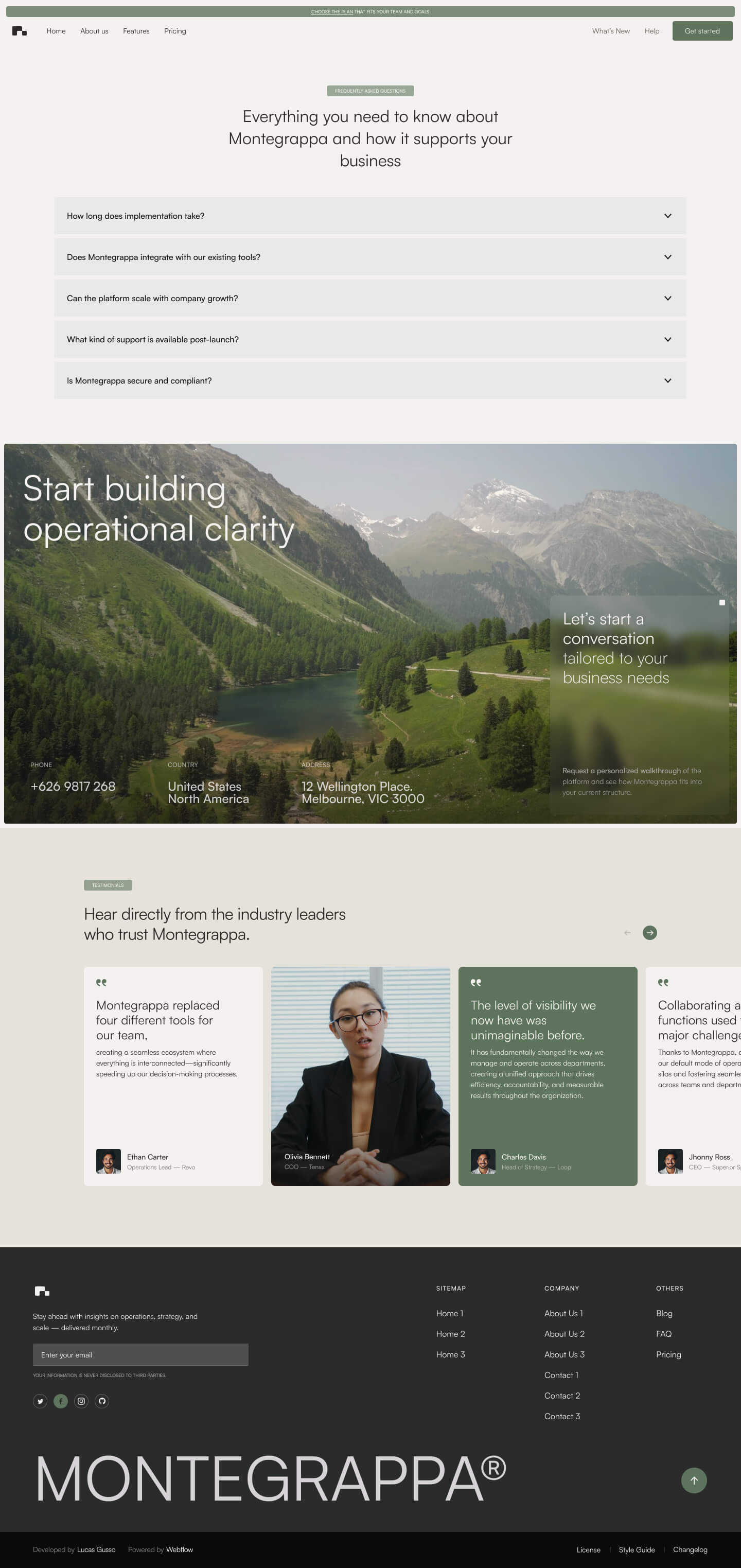
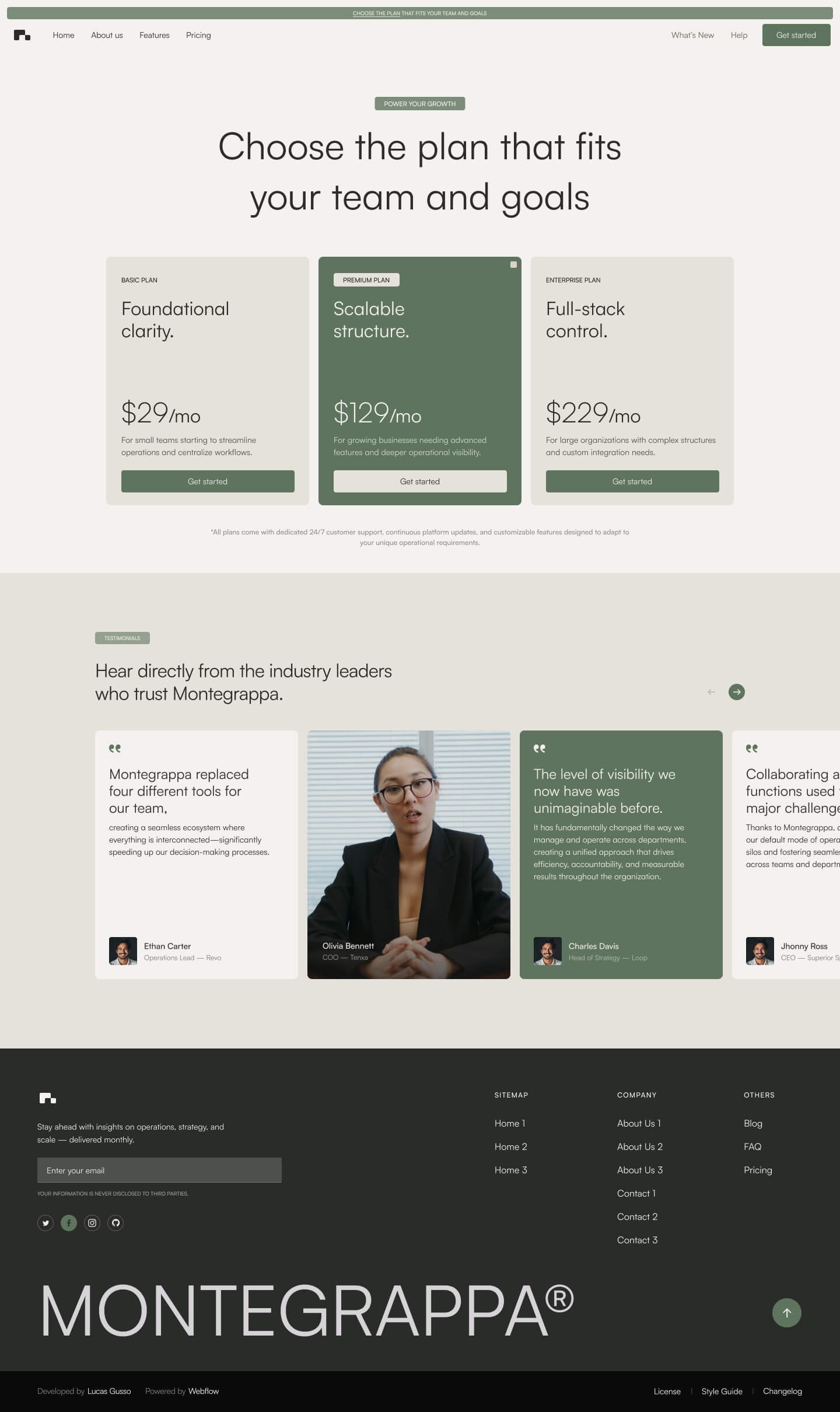

Send us an email to lucas.gusso@gmail.com with your purchase receipt, and we will send you the editable Figma file for the Montegrappa Template.





We expected performance improvements, but the strategic implementation delivered unprecedented operational excellence of delivering products.

See what Air Cargo Week wrote about Belli leading digital transformation

Belli AI is leading a transformation in Southeast Asia’s air cargo industry. With a focus on practical, insider-built solutions, Belli.ai eliminates paper, spreadsheets, and manual processes, deploying full-scale cargo management systems in as little as three weeks. The company distinguishes itself by using cargo product engineers—not generalist consultants—for implementation, ensuring airlines work with experts who have firsthand operational experience and software engineering skills.
The air cargo sector has long struggled with inefficiencies, legacy systems, and slow digital adoption. Belli.ai addresses these challenges by targeting operational pain points in commercial, ground, and finance departments. Its solutions combine modern software architecture, AI-driven automation, and user-friendly booking portals to streamline operations, improve efficiency, and reduce manual workloads. The company’s platform has already demonstrated measurable results: booking time reductions of 20%, increased conversion rates, and a 70% drop in inbound customer service queries related to routine operations.
A critical advantage for Belli.ai lies in its rapid implementation model. Backed by recent funding, the startup can deploy end-to-end cargo systems for mid-size airlines in just three weeks, a timeline unattainable with traditional vendors whose integration often stretches over months or years. The company’s frontend stack, built on Vercel, allows high performance and agility compared to older infrastructures used by competitors. This innovation and speed were recognized when Belli.ai placed second at the Vercel AI Accelerator in San Francisco, outperforming nearly 900 global software startups.
Belli.ai also emphasizes practical AI applications. Unlike much of the logistics sector, where AI often remains theoretical, the startup uses AI to replace manual spreadsheet work, optimize operations, and plan for complex challenges such as weight and balance optimization and dynamic capacity planning. Internally, hiring prioritizes engineers’ proficiency with AI tools and prompt quality over traditional coding tests, ensuring the team is equipped to develop cutting-edge, practical solutions.
One of the startup’s most appreciated features is its modern booking portal. By giving freight forwarders a usable, digital interface, airlines can dramatically reduce processing time and improve customer experience. Foon Qiao Hui, Product Engineer at Belli.ai, emphasizes that solving basic operational inefficiencies is more impactful than chasing advanced AI features prematurely. This approach resonates with airlines, which often struggle with outdated digital tools and fragmented systems.
Belli.ai’s approach challenges common industry assumptions. Cargo teams are often seen as resistant to change, but Foon notes that airlines are eager to modernize; they simply lacked qualified software partners until now. The team’s experience includes helping a carrier replace seven ERP systems in seven months, demonstrating their capability to deliver practical, high-impact solutions.
By combining operational insight, engineering expertise, AI-driven tools, and a rapid deployment model, Belli.ai is redefining air cargo technology in Southeast Asia. Its work illustrates how insider knowledge, practical software, and strategic automation can transform a traditionally manual, fragmented industry.
Read more in the original article.




.png)